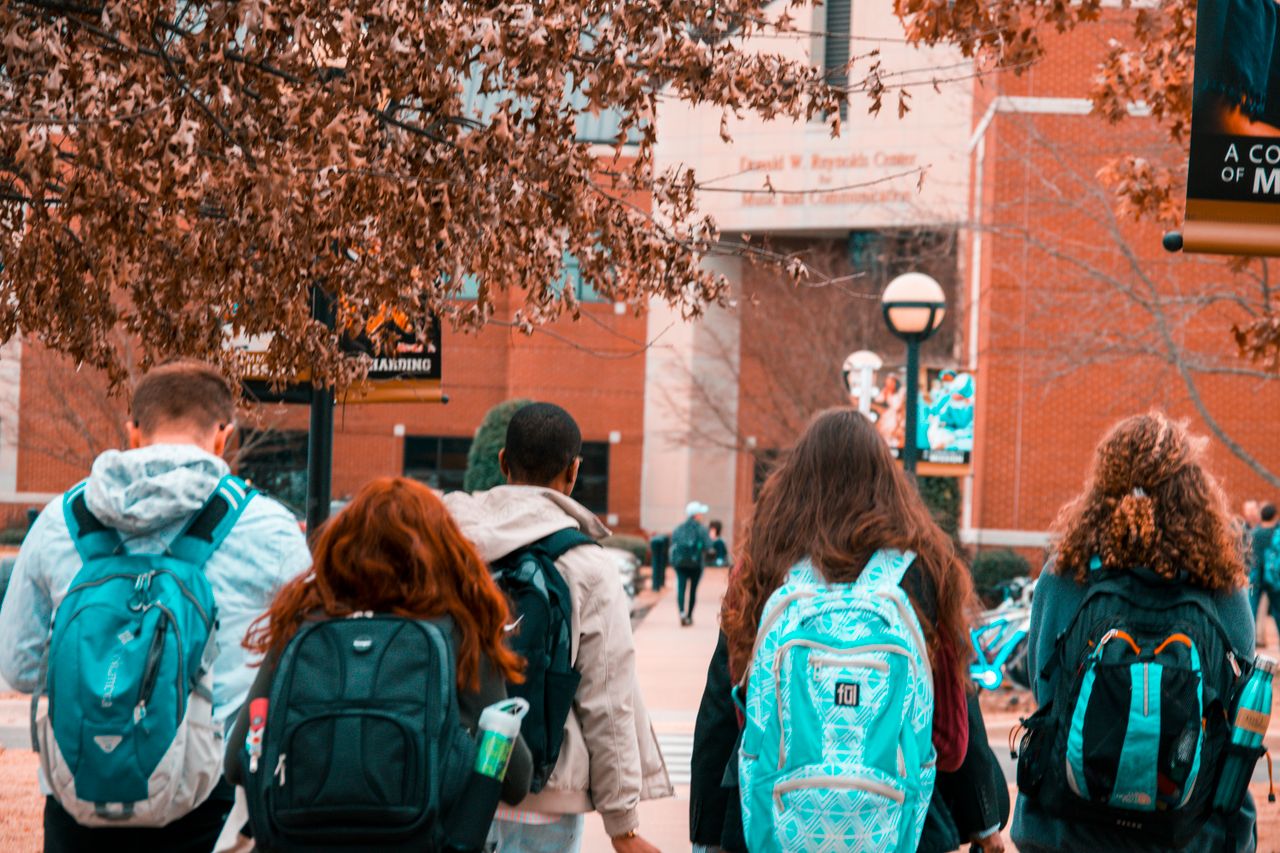
Stepping back onto a college campus after completing a Partial Hospitalization Program (PHP) or Intensive Outpatient Program (IOP) is an incredible milestone, but it can also feel overwhelming. In treatment, your days are defined by structure, clinical accountability, and round-the-clock encouragement. In contrast, higher education introduces total independence, unpredictable schedules, and pervasive peer pressure. For young adults managing a behavioral health struggle like gambling addiction—especially students attending vibrant Dallas-area campuses such as Southern Methodist University (SMU)—learning to balance academic demands with long-term addiction recovery is essential. Preparing for this shift before classes begin protects the hard work you invested in treatment and keeps your future on track.
Creating a Gradual Return Plan for College Life
The most common mistake students make after completing care is attempting to resume a full-throttle academic schedule immediately. Coming out of a structured clinical environment into a 15- or 18-credit-hour semester invites exhaustion, and chronic stress is a notorious trigger for relapse. Instead, work with your university’s academic advising and student disability offices to design a reduced or modified course load for your first semester back. Opting for part-time enrollment or staggering hybrid and in-person classes gives you breathing room to acclimate without sacrificing your GPA. Many universities, including SMU, have formal processes to help students resume their studies at a pace that protects their mental well-being.
Rebuilding a predictable daily routine is the second pillar of a successful transition. During treatment, your calendar was mapped out to remove uncertainty; campus life, on the other hand, is filled with irregular hours, cancellations, and long stretches of unstructured downtime. Left unmanaged, idle time can quickly turn into rumination or impulsive decisions. Establish fixed blocks in your planner for wake-up times, meals, study sessions, physical activity, and sleep. Most importantly, preserve space for weekly therapy and peer recovery meetings. Continuing step-down care at an accredited treatment center near me ensures you remain anchored while practicing newfound coping tools in real-world situations.
Finally, you cannot sustain your recovery in isolation. Surrounding yourself with an accountability network is vital for catching red flags before they spiral into full-blown crises. Share your goals with a small, trusted circle—such as close family members, a campus counselor, or a sponsor—who understand your background and can check in on you regularly. If your previous social circle revolves around high-risk environments, you must deliberately seek out sober peer communities, collegiate recovery programs, or student groups centered on shared creative or athletic hobbies. Having people around you who support your healthy choices makes the campus landscape far safer to navigate.
Managing Gambling Triggers on a College Campus
Modern college life is saturated with gambling opportunities, making this behavioral challenge uniquely difficult to navigate. Today’s campus culture often normalizes live-action sports wagering, dorm-room poker games, high-stakes fantasy leagues, and speculative cryptocurrency day trading. For students at sports-centric universities like SMU, game days bring intense exposure to sportsbook advertising and peers constantly checking their phones for live spreads. Overcoming a gambling addiction requires recognizing that these casual pastimes are direct threats to your emotional stability and financial well-being, rather than harmless entertainment.
Protecting yourself starts with building friction into your daily digital environment. Because mobile betting apps make placing a bet as easy as sending a text, you must systematically eliminate direct access to these platforms. Install reputable device-blocking software like Gamban or BetFilter across all your phones, tablets, and laptops, and place yourself on state and commercial self-exclusion registries. Additionally, consider collaborating with a parent or financial mentor to establish temporary accountability over your banking accounts and credit cards. When access to quick liquidity and betting software is cut off, cravings lose their immediate pathway to action.
It is equally important to manage the emotional urges that drive behavioral addictions. When academic pressure mounts, students often gamble not just for money, but for dopamine, escapism, or an adrenaline spike. In moments of heightened vulnerability, some individuals also find their compulsive urges cross over into related impulse behaviors, such as sex addiction or chemical dependency. When you feel the familiar urge to place a bet or escape reality, lean on intentional coping mechanisms: call your support team, head to the campus gym, or attend an outpatient group session. Finding accessible treatment near me allows you to process these triggers with experienced clinicians who specialize in impulse-control disorders.
Frequently Asked Questions
Can I take a medical leave of absence for addiction recovery without losing my academic standing?
Yes. Most colleges and universities have medical withdrawal policies that permit students to take time away for clinical care—including mental health and addiction treatment—without academic penalty. You can work with your school’s Dean of Students or health center to arrange a leave and coordinate your eventual return.
What should I do if my dorm mates or fraternity brothers gamble regularly?
Your living environment should be a safe haven. If your current living situation exposes you to constant gambling, request a room reassignment through campus housing, move into a single room, or explore collegiate sober-living alternatives off campus. Protecting your health must take priority over social convenience.
Are gambling addiction and sex addiction treated similarly to substance abuse?
Yes. Process and behavioral addictions impact the brain’s reward and dopamine pathways in ways remarkably similar to chemical dependency. Effective recovery programs utilize evidence-based therapies—such as Cognitive Behavioral Therapy (CBT), Acceptance and Commitment Therapy (ACT), and relapse prevention planning—to treat behavioral compulsions alongside substance use disorders.
Returning to college following intensive treatment is a courageous step toward building the future you deserve. Recovery does not mean putting your education on hold forever; it means learning how to pursue your academic ambitions while keeping your health and sobriety at the very center of your life. If you or someone you care about is looking for an outpatient program, aftercare support, or an established rehab near me in the Dallas area, reach out to the dedicated clinical team at The River Wellness. With personalized guidance, evidence-based therapies, and compassionate aftercare, you can thrive in the classroom while staying grounded in lasting healing.
Clinically reviewed by Joshua Love