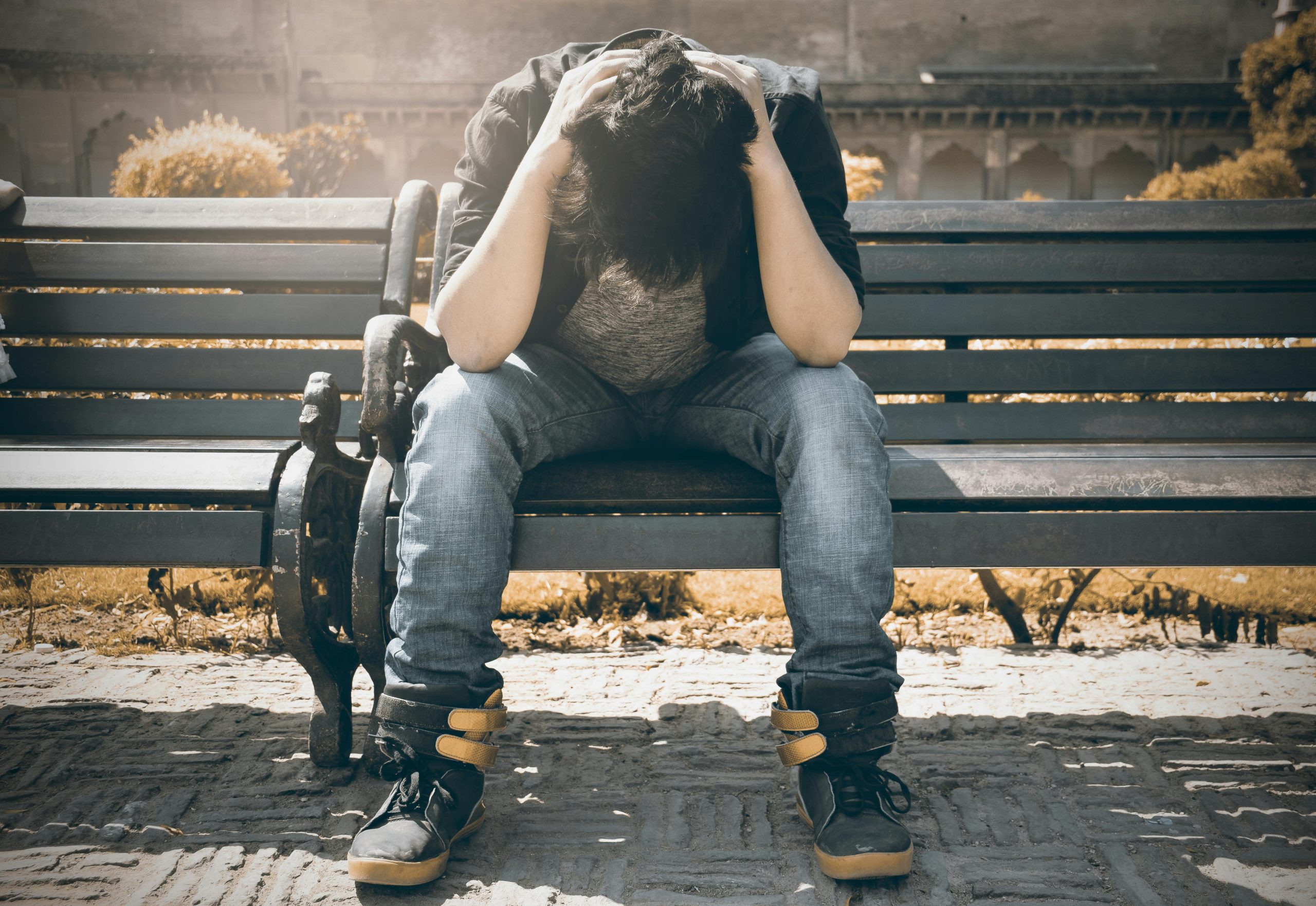
When you or someone you love is trapped in the cycle of substance abuse, it can often feel like a total loss of willpower. You might wonder: Why can’t they just stop? For decades, society viewed addiction as a moral failing or a lack of discipline. Today, modern neuroscience tells a completely different story.
Addiction is not a choice; it is a chronic disease that alters both the physical structure and the internal wiring of the brain. At The River Wellness in Texas, we understand that breaking free from substance abuse requires more than just willpower—it requires a clinical, compassionate approach to healing the brain.
If you or a loved one are struggling with substance use or co-occurring mental health conditions, Contact Us Today to learn how we can help you heal.
What Does It Mean When Addiction “Hijacks” the Brain?
To understand how addiction takes over, we have to look at the brain’s natural reward system. Our brains are hardwired to ensure survival. When we do something necessary for life—such as eating a good meal or spending time with loved ones—the brain releases a neurotransmitter called dopamine. This is often referred to as the brain’s “pleasure chemical.”
This release occurs in a cluster of nerve cells known as the nucleus accumbens, the brain’s pleasure center.
However, addictive substances like alcohol, opioids, cocaine, and marijuana act as a shortcut. Instead of a natural, healthy trickle of dopamine, drugs and alcohol flood the nucleus accumbens with two to ten times the amount of dopamine that natural rewards produce. This sudden, intense surge completely overwhelms the brain’s normal machinery.
The 3 Stages of a Brain Hijack
According to neuroscientific research, addiction exerts a long and powerful influence on the brain that manifests in three distinct phases:
1. The Overloading of the Reward System
Because drugs and alcohol cause a rapid and massive spike in dopamine, the brain’s memory center (the hippocampus) logs this experience as incredibly vital. Meanwhile, the amygdala creates a conditioned response to anything associated with that pleasure. Your brain effectively learns to prioritize the substance over normal human drives.
2. The Development of Tolerance
The human brain is highly adaptable. When it is constantly flooded with artificial levels of dopamine, it tries to protect itself. It does this by turning down the volume—either by producing less dopamine naturally or by eliminating dopamine receptors.
As a result, the substance no longer brings the same pleasure it used to. This is known as tolerance. You have to take more and more of the substance just to feel “normal,” because the brain’s natural pleasure center has been blunted.
3. Compulsion and Conditioned Learning Take Over
Eventually, the actual pleasure associated with the drug subsides, but the wanting persists. The brain becomes heavily conditioned to environmental cues. A specific location, a friend, a stressful day, or an object can trigger intense cravings. This conditioned learning explains why willpower alone isn’t enough and why the risk of relapse remains high even after periods of sobriety.
Am I Struggling with Addiction? Ask Yourself These 3 Questions:
- Do you use more of a substance, or engage in a behavior, more frequently than you did in the past?
- Do you experience physical or emotional withdrawal symptoms when you try to stop?
- Have you ever lied to your loved ones about the extent of your substance use?
If you answered yes to any of these questions, you don’t have to carry this burden alone. Reach out to our compassionate intake specialists at The River Wellness by calling (214) 534-9030 or contacting us online.
Dual Diagnosis: The Connection Between Brain Hijacking and Mental Health
It is incredibly common for a brain hijacked by addiction to also struggle with underlying mental health conditions, such as depression, anxiety, trauma, or PTSD. Often, individuals use substances to self-medicate the painful symptoms of these disorders. Unfortunately, because the substance alters the brain’s chemistry, it ultimately makes the mental health condition worse.
True recovery requires treating both sides of the coin simultaneously. This is known as Dual Diagnosis treatment. By healing the brain’s chemistry and addressing underlying emotional trauma, the brain can slowly begin to re-wire itself.
Rewiring the Brain: Recovery is Possible
The most hopeful finding in modern neuroscience is neuroplasticity—the brain’s ability to heal, adapt, and build new neural pathways over time. While addiction hijacks the brain’s motivation systems, professional treatment can help you reclaim them.
Healing involves:
- Detoxification: Safely clearing the body of toxins to allow brain chemistry to stabilize.
- Evidence-Based Therapies: Utilizing Cognitive Behavioral Therapy (CBT) and Dialectical Behavior Therapy (DBT) to break the conditioned responses and behaviors tied to cravings.
- Holistic Wellness: Saying “yes” to life-affirming habits—such as proper nutrition, mindfulness, and community connection—that naturally restore healthy dopamine production.